
Best Timing for Storm Restorations
Understanding the best time for storm restorations involves analyzing seasonal weather patterns, storm frequency, and structural readiness. Proper timing can minimize damage and optimize restoration efforts, ensuring buildings and infrastructure are resilient against future storms.
Storm restorations are most effective when scheduled during seasons with predictable weather, typically late spring through early fall, to avoid delays caused by adverse conditions.
Monitoring local storm activity helps determine optimal periods for restoration, often following peak storm seasons to address damages promptly.
Assessing the condition of structures before storm seasons can reduce repair costs and improve response times after storms occur.
Advancements in weather forecasting enable better planning for storm restorations, ensuring resources are available when storms are predicted.
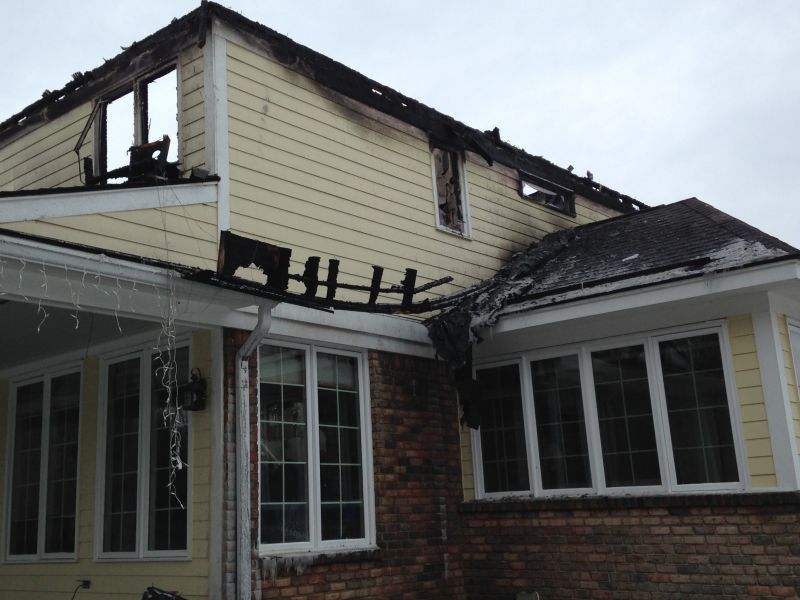
Assessing damage promptly after storms ensures timely restoration efforts.

Scheduling roof repairs outside peak storm months reduces disruption and improves outcomes.
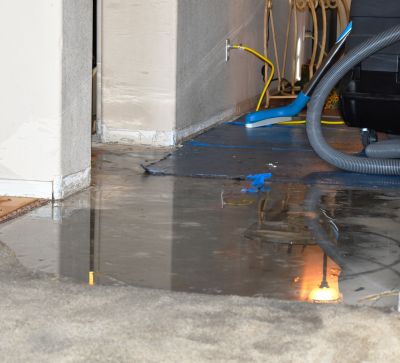
Preparedness with proper equipment accelerates storm damage restoration.

Utilizing advanced tools for weather prediction aids in planning restorations.
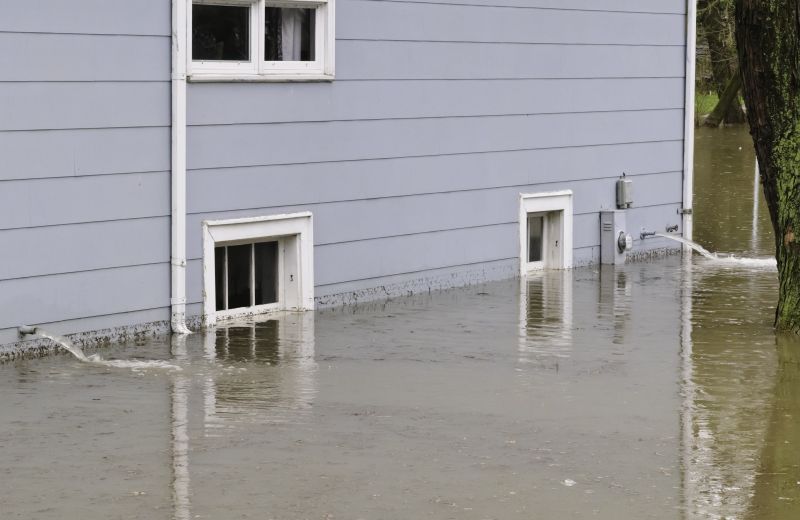
Community efforts enhance recovery times after storms.
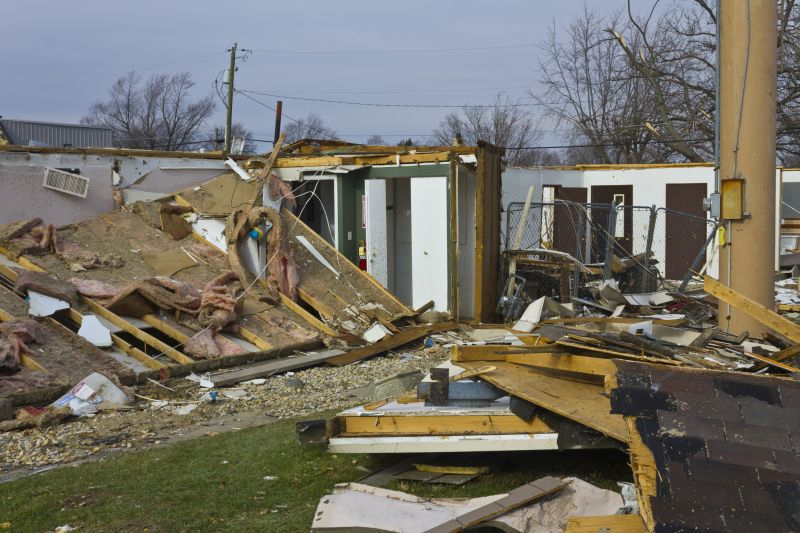
Strengthening structures before storm seasons reduces damage.
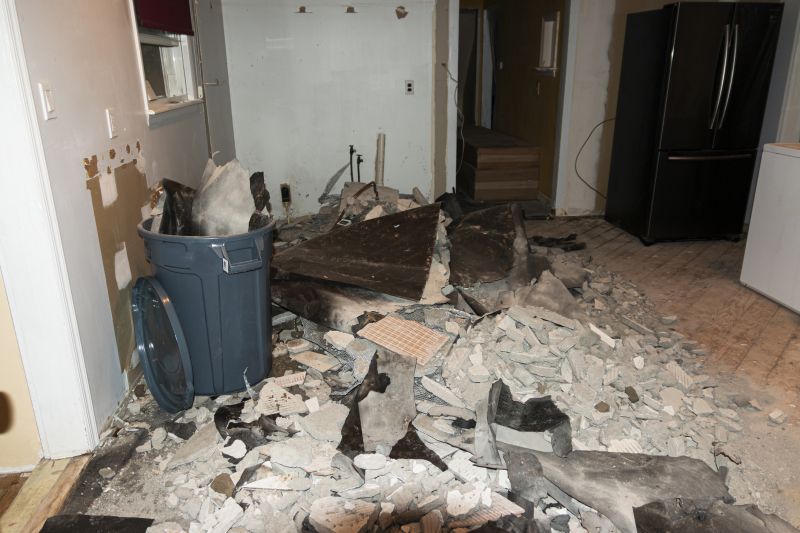
Efficient cleanup minimizes further damage and prepares sites for repairs.

Modern machinery speeds up restoration processes.
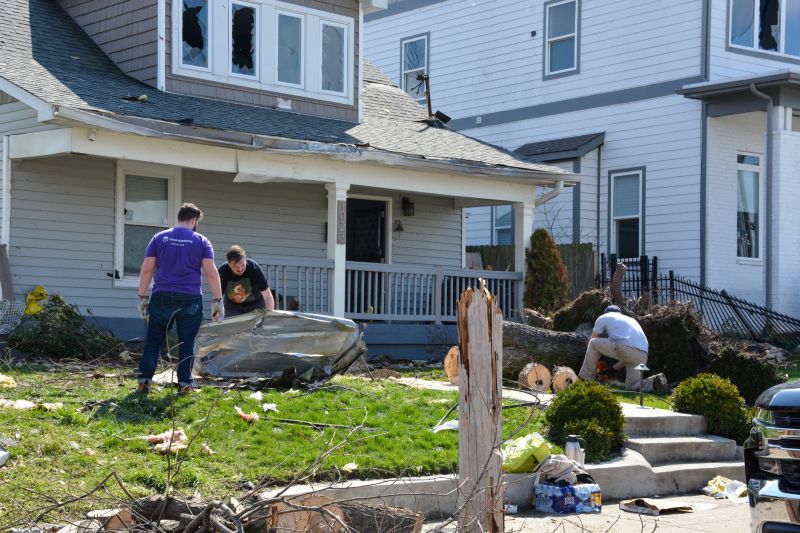
Comprehensive evaluations guide effective restoration planning.
| Factor | Impact on Timing |
|---|---|
| Seasonal Weather Patterns | Predictable weather windows for scheduling |
| Storm Frequency Trends | Post-peak seasons for damage remediation |
| Structural Readiness | Pre-storm reinforcement reduces repair needs |
| Weather Forecast Reliability | Accurate forecasts enable proactive planning |
| Community Preparedness | Coordination improves response efficiency |
| Resource Availability | Availability of materials and labor influences timing |
| Economic Considerations | Off-season scheduling may reduce costs |
| Insurance Processing | Claims and approvals can affect timing |
Storm restorations require strategic planning to ensure effective and timely repairs. Scheduling efforts during seasons with stable weather minimizes delays and allows for resource optimization. Monitoring storm activity and weather forecasts provides valuable insights for selecting optimal restoration periods.
Statistics indicate that the majority of storm damages occur during late summer and early fall, making early spring and late winter suitable for pre-storm preparations and structural reinforcement. Proper timing not only reduces repair costs but also enhances the durability of structures against future storms.
Restoration work following storm damage ensures safety and stability.

Strengthening buildings before storms can prevent extensive damage.
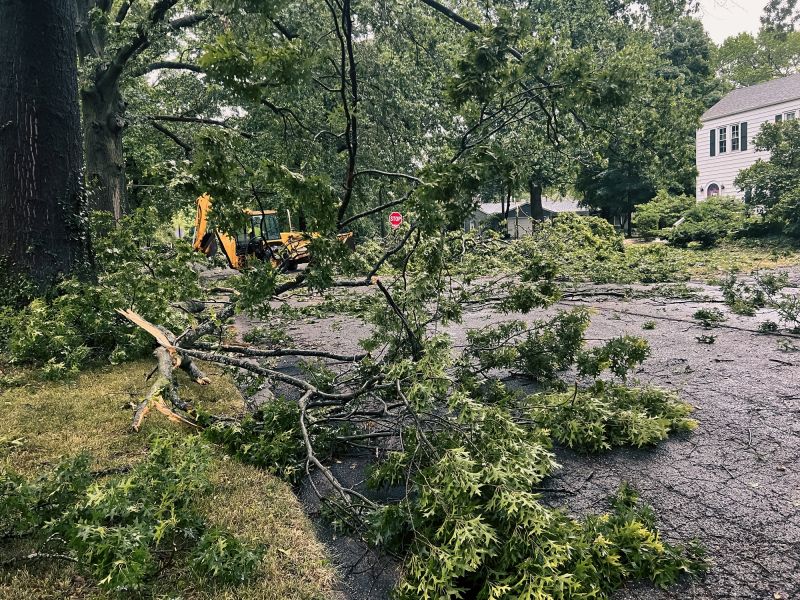
Efficient debris removal facilitates quicker recovery.

Modern tools aid in faster storm damage restoration.
Individuals and communities are encouraged to plan storm restorations proactively, considering local weather patterns and storm seasons. Early preparation can significantly reduce the impact of storm damages and streamline recovery efforts.
Filling out the contact form provides an opportunity to discuss tailored storm restoration strategies and schedules, ensuring readiness for upcoming storm seasons.